Mostrando entradas con la etiqueta mesothelioma. Mostrar todas las entradas

jueves, 7 de mayo de 2015

What is asbestos?


What is asbestos? 

Asbestos is the term used for a naturally occurring mineral that resembles a rock in its natural form. The rock is then split into fibers, which are resistant to heat, fire, and chemicals. These natural properties made it a popular commercial product used indiscriminately in the United States until the late 1970s. The fibers once woven into fine thread can become brittle and can then float in the air, where they can be inhaled, land on and stick to clothing, and found on exposed surfaces of a person's body who has been exposed to these fibers. 


What are the risk factors, or who gets mesothelioma?

What are the risk factors, or who gets mesothelioma? 

Anyone can get mesothelioma; it occurs across all races and genders and is found in young and old alike. The dominating risk factor in developing mesothelioma is exposure to asbestos. The risk is greatly increased in people who have had repeated exposure to asbestos for prolonged periods of time. The majority of people who develop this disease can trace their exposure back to jobs where they encountered asbestos. Thirty percent of all mesothelioma patients are navy veterans having been exposed in the boiler room of the ships or working in the shipyards. Other highrisk professions include brake repair workers, construction workers, those who worked with or manufactured insulation materials, and people who work in asbestos abatement (removal of asbestos). 


We often talk of "secondhand" exposure, which would affect those who came into contact with mesothelioma through asbestos fibers brought home on workers' clothing and equipment. Many people are exposed at home, schools, or office buildings during renovation projects.

What is mesothelioma?


1. What is mesothelioma? 


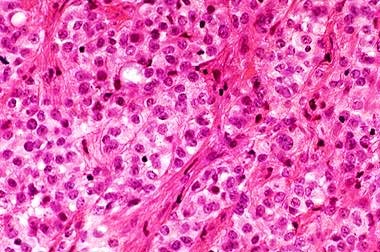
Malignant mesothelioma, a rare form of cancer, origi-nates in many of the protective linings that cover major organs in the abdomen and chest There are approxi-mately 3,500 people diagnosed each year in the United States. Pleural mesothelioma, the mom common type of mesothelioma grows in the pleural space (the area between the chest wall and lung) and then progresses to the lung itself and other areas in the thoracic (chest) cavity. When it occurs in the abdomen, it is referred to as peritoneal mesothelioma and approximately 300 patients are diagnosed with this yearly in the United States. Other rare sites of occurrence include the peri-cardium (lining of the heart) and tunica vaginalis (lining membrane of the testicles), or scrotal lining.